

When people talk about Systematic Withdrawal Plans (SWP), most discussions remain theoretical. In this article, I am sharing a real, data-backed case study that I personally explained in my video — no assumptions, no simulations, only actual numbers taken from historical NAV data.
This is the journey of a real investor who invested ₹1 crore in a small cap mutual fund in November 2010, faced brutal market crashes, continued monthly withdrawals, and yet — as of 24 December 2025 — still holds a portfolio value of ₹5.02 crore, after withdrawing nearly ₹1.70 crore over the years.
Why This Case Study Matters
Most investors ask the same questions:
- What happens if the market crashes after I invest?
- Does SWP fail in volatile funds like small caps?
- How much tax will I pay?
- Does inflation eat all the returns?
Instead of opinions, this article answers everything with real numbers.
The Investment Snapshot
| Parameter | Details |
|---|---|
| Initial Investment | ₹1 Crore |
| Investment Date | 1 November 2010 |
| Fund Category | Small Cap Equity |
| Monthly SWP | ₹1,00,000 |
| SWP Start Date | 1 December 2011 |
| Total Withdrawal (till Dec 2025) | ~₹1.70 Crore |
| Current Portfolio Value | ~₹5.02 Crore |
| Investment Period | ~15 Years |
📉 Reality of Market Crashes (Sequence of Returns Risk)
This investment did not move smoothly. It faced some of the worst market events in modern history:
- 2011–2013: ~40% drawdown (₹1 crore fell to ~₹60 lakh)
- 2015–16: ~23% correction (China devaluation)
- 2020 (COVID): ~56% crash
- 2022: ~21–22% correction (Russia–Ukraine, inflation)
Despite these crashes, the investor continued SWP even during COVID, proving how dangerous — yet powerful — equity SWP can be.
This is a textbook example of Sequence of Returns Risk, where early losses feel terrifying, but long-term compounding changes everything.

Why Small Cap SWP Is Extremely Risky
Let me be very clear — this is NOT a recommendation.
Small cap funds:
- Move sharply up and down
- Can fall 50–60% during extreme events
- Require strong emotional discipline
In this case study, the investor survived because:
- The investment horizon was very long
- Withdrawals were fixed and disciplined
- The fund eventually benefited from long-term economic growth
Most investors panic and stop long before this point.
Tax Reality: The Biggest Myth
Many comments usually say:
“SWP tax will kill returns.”
That is factually wrong.
Key tax facts:
- Equity LTCG tax was zero before 2018
- Later it became 10%, and now around 12.5%
- Tax is applied only on capital gains portion, not on the full withdrawal amount
When ₹12 lakh is withdrawn annually:
- It includes principal + profit
- Effective tax impact is often ₹60,000–₹90,000, not ₹1.5 lakh+
So yes — tax exists, but it is far less damaging than most people assume.
Inflation-Adjusted Reality (6% Inflation)
Now let’s talk about the toughest question — inflation.
If we adjust everything for 6% inflation:
- Real value of the portfolio today ≈ ₹2.1 crore
- Real withdrawals still provided comfortable lifestyle support
Ask yourself honestly:
Is ₹2 crore (debt-free) enough for a healthy, dignified life in India?
For most families with controlled expenses, the answer is yes.
📥 Download the Exact Excel Sheet (Important)
If you want to see month-by-month data, NAV movements, withdrawals, and real calculations exactly as shown in my video:
👉 Download the detailed Excel sheet from Google Drive here:
This sheet includes:
- Exact NAV history
- Units calculation
- Withdrawal tracking
- Portfolio value after every crash
Ideal SWP Rules (What I Personally Believe)
Based on experience:
- SWP ideally suits hybrid funds, not pure small caps
- Withdrawal rate should ideally stay around 6–7% annually
- Small cap SWP is suitable only for ultra high-risk investors
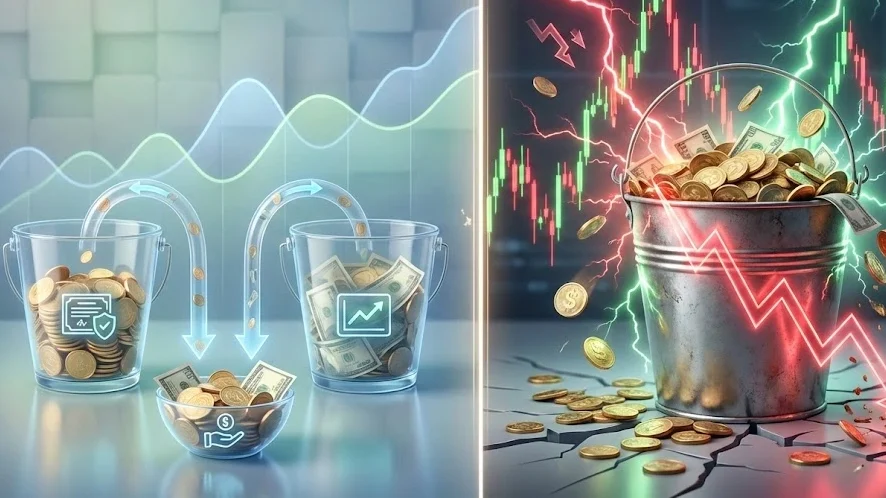
- Bucket strategy (2-bucket / 3-bucket) works far better for stability
This case study worked — but it could have failed badly with different behaviour.
Final Thoughts (Personal Note)
This article is not meant to impress — it is meant to educate.
Yes, ₹1 crore became ₹5 crore.
Yes, ₹1.7 crore was withdrawn.
But it came with:
- Sleepless nights
- 50%+ drawdowns
- Emotional pressure very few investors can tolerate
SWP is powerful, but only when aligned with the right fund, right risk profile, and right expectations.
Need Personal Guidance?
Every investor’s situation is different — income, expenses, EMIs, goals.
👉 For personal consultation, links are available.
👉 Join our WhatsApp group for practical financial education.
👉 Read more articles on moneyblasters.com for real, no-fluff finance insights.
3 thoughts on “₹1 Crore Investment, 40% Crash & Still ₹5 Crore Today : Small Cap SWP Case Study”